Treat the final weeks as a transition period
The weeks before and after calving carry a high risk of metabolic and infectious disease. Keep the cow in appropriate body condition, maintain steady feed intake and avoid abrupt ration changes. A close-up ration should be designed around the farm's actual forage and mineral profile.
Prepare a clean, quiet calving space
The calving pen should be dry, well bedded, easy to observe and separate from sick animals. Clean equipment, long gloves, lubricant, towels, iodine for the calf's navel and the veterinarian's contact should be ready before labour begins.
- Record the expected calving date and begin closer observation as it approaches.
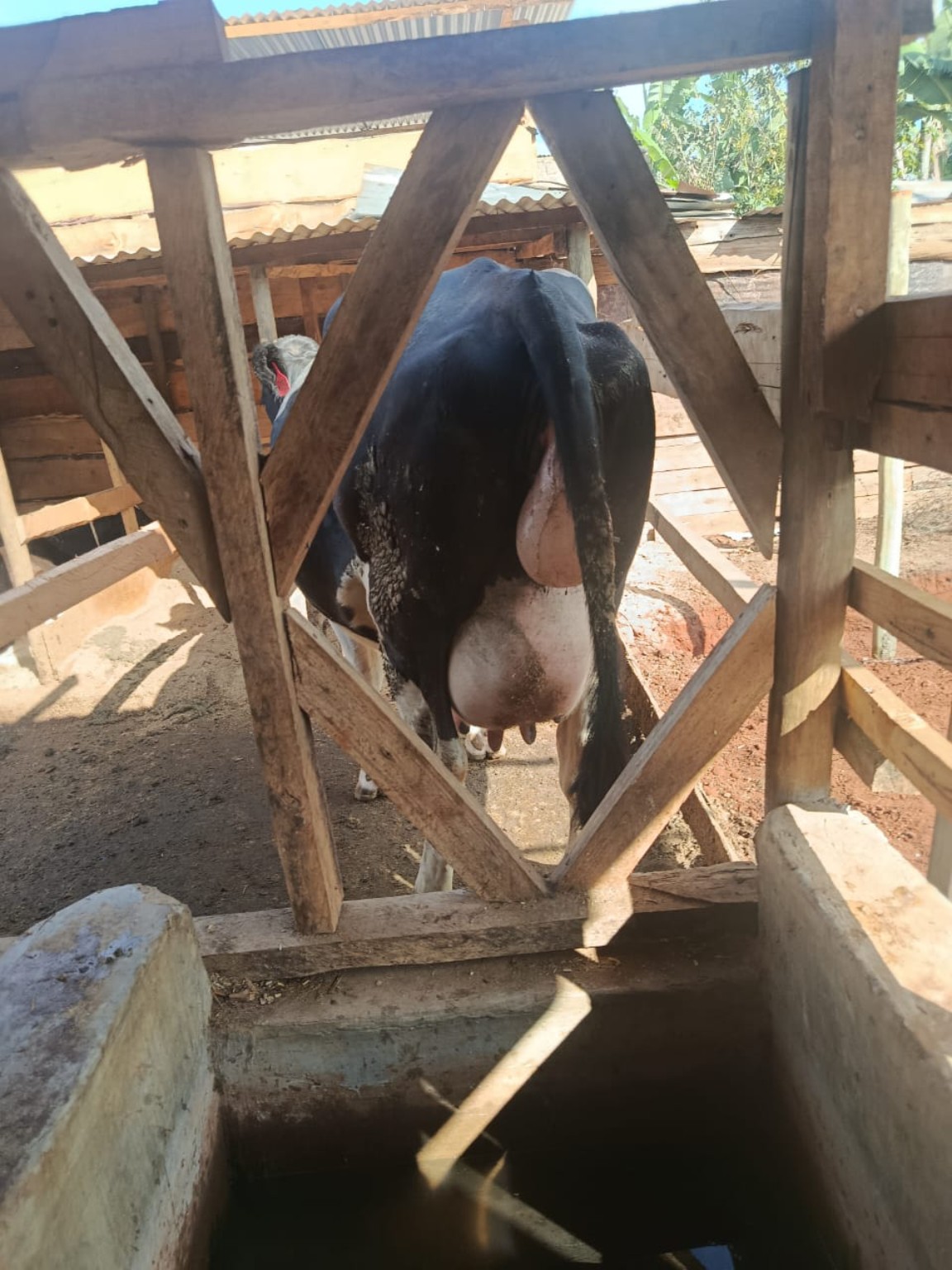
- Watch for udder filling, relaxation around the tail head, isolation and a swollen vulva.
- Observe progress without repeatedly disturbing the cow.
- Seek professional help when labour is not progressing normally or the presentation appears abnormal.
Act promptly after birth
Confirm that the calf is breathing, dry it, disinfect the navel and provide an adequate quantity of clean, high-quality colostrum as early as possible. Check the cow for injury, appetite, abnormal discharge and signs of milk fever or weakness.
Record the calving date, calf identity and sex, assistance given, treatments and any complications. These records improve future breeding and culling decisions.